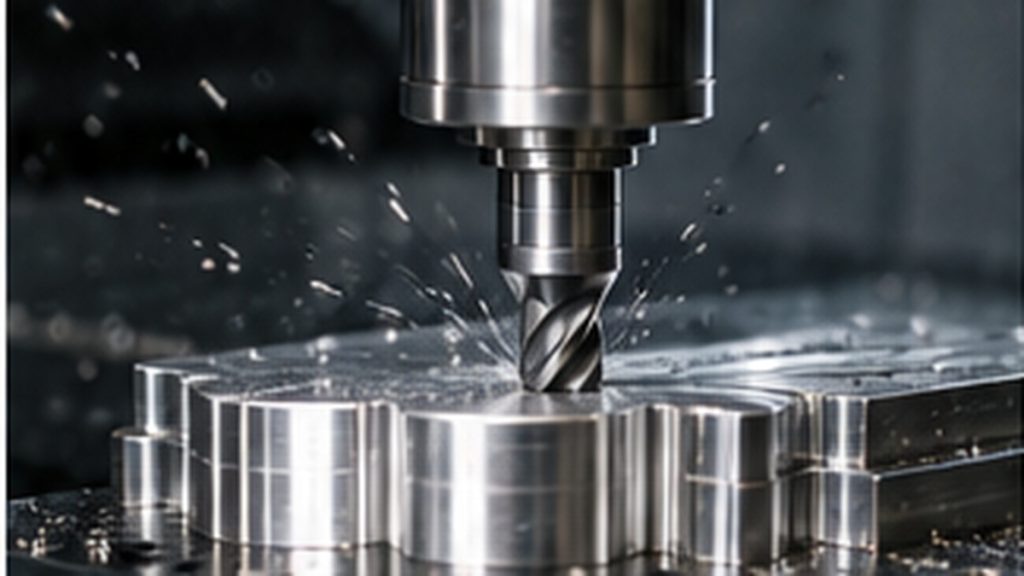
CNC machining offers unparalleled precision, speed, and repeatability. This versatile manufacturing process can create complex parts from a wide range of materials, making it essential for industries demanding high-quality components. If you need accurate and efficiently produced parts, CNC machining could be the perfect solution.
What is CNC Machining?

CNC machining stands for Computer Numerical Control machining. CNC machining is a critical manufacturing technique where computers control machine tools. The process starts with a set of instructions input into a computer program. This program then directs machines such as lathes, mills, and routers.
CNC machines can perform precise, consistent, and complex operations that go far beyond what manual machining can achieve. CNC machining transforms raw materials into finished products with high precision and repeatability, whether they require detailed cuts or intricate shapes.
A Brief History of CNC Machining
The history of CNC machining traces back to the 1940s, with the development of numerical control (NC) machines. John T. Parsons’ groundbreaking work using punch cards to control machines laid the foundation.
Building on this concept, J. F. Reintjes led an MIT research team that developed the first prototype CNC milling machine. Richard Kegg then collaborated with MIT to create the first commercially viable Cincinnati Milacron Hydrotel. This revolutionized manufacturing by enabling precise production of complex shapes.
The 1970s ushered in a new era with the integration of digital computers into CNC equipment. Computer controls boosted speed and accuracy, allowing operators to directly input data.
This significantly reduced manual involvement and facilitated efficient production of intricate parts. CNC machining has become a cornerstone of modern manufacturing, shaping essential components across diverse industries.
How does CNC Machining Work?


CNC machining turns a digital design into a physical object using a set of precise instructions. The process goes from design to finished product in several steps.
- Designing the CAD Model: The first step in CNC machining is designing a precise 3D model of the part using Computer-Aided Design (CAD) software. This model serves as the blueprint for the machining process.
- Converting CAD File to CNC Program: Next, the CAD model is converted into a CNC program using Computer-Aided Manufacturing (CAM) software. This program generates the specific instructions that guide the CNC machine on how to make the part.
- Setting up the Machine: Before machining starts, the CNC machine is set up, which includes loading the raw material and configuring the tools and fixtures necessary for the job.
- Machining the Part: The CNC machine then follows the programmed instructions to cut and shape the material. It removes material precisely to form the parts as specified in the CAD model.
- Post-Processing and Finishing Touches: After the machining is complete, the part may undergo additional finishing processes such as sanding, polishing, or painting to achieve the desired appearance and surface quality.
What are the Different Types of CNC Machines?
CNC Milling Machines (3-Axis, 5-Axis)
CNC milling machines are perhaps the most versatile type of CNC machining equipment. They use rotating cutting tools to remove material from a workpiece, creating a wide range of shapes and features. The key difference is the number of axes the machine can move in.
- 3-Axis Milling Machines are the most straightforward type, moving in three axes (X, Y, and Z) to cut material from different angles.
- 5-Axis Milling Machines offer more versatility and precision by operating in three linear axes and two additional rotational axes, allowing for complex geometries and surfaces with a single setup.
CNC Turning Machines (Lathes)
CNC turning machines or lathes shape parts by rotating the workpiece against a cutting tool. They are ideal for creating cylindrical, symmetrical parts or features such as threads and tapers.
CNC Plasma Cutters
CNC plasma cutters use a superheated jet of plasma to cut through electrically conductive materials such as stainless steel, and aluminum. They are ideal for applications that require speed and cost-effectiveness in cutting thick materials. However, plasma cutters may leave rougher edges than other CNC methods.
CNC Laser Cutters
CNC laser cutters use a high-powered laser beam to cut and engrave materials with extreme precision. CNC laser cutters are versatile and can work on various materials, including metal, plastic, wood, and glass, which is particularly important for industries requiring detailed and precise cutting operations.
CNC Routers
CNC routers are similar to mills but are generally used for softer materials and are less precise. They can create various forms and designs on flat surfaces made of materials like wood, foam, composites, aluminum, and plastic.
CNC Drilling Machines
These machines use rotating drill bits to produce cylindrical holes in a workpiece. Different types of drill bits are used depending on the specific application needed.
CNC Electric Discharge Machines (EDM)
EDM machines come in two main types – wire EDM and sinker EDM. These machines utilize electrical discharges to erode material from the workpiece, allowing for extremely precise machining of complex shapes.
CNC Water Jet Cutters
CNC water jet cutters use a pressurized stream of water, sometimes mixed with abrasive particles, to cut through a variety of materials. These machines are especially good at making exact cuts without introducing heat. This factor is very important for materials like metals, stone, glass, and composites, that cannot handle high temperatures.
The precision and versatility of water jet cutters make them a valuable tool in the manufacturing and fabrication processes. These cutters can handle a wide range of cutting tasks with superior accuracy.
What are the Components of a CNC Machine?


The components of a CNC machine include various essential parts that work together to enable its operation. Each component is necessary for the full functionality and efficiency of CNC systems.
Control System Components
- Control Panel: The interface where operators input CNC programs, which contain coded instructions that guide the machine’s operations.
- Input Device: This can be a tape reader, magnetic tape reader, or an RS-232-C communication interface that allows the transfer of CNC programs from a computer to the CNC machine.
- Machine Control Unit (MCU): The brain of the CNC machine, which interprets the CNC program and converts it into signals that control the machine’s movements and actions.
- Feedback System: Sensors and encoders that provide real-time data back to the MCU, ensuring accuracy by making adjustments to the operation based on the feedback received.
CNC Machine Programming and System Types
Machine System Components
- Driving System: Includes the motors and drives that power the machine’s axes of movement.
- Machine Tool: The actual cutting or shaping tool held by the spindle.
- Spindle: Rotates the cutting tool at high speeds, providing the primary cutting action.
- Tool Turret (if applicable): Found on some types of CNC machines, the tool turret holds multiple tools for automatic tool changes.
- Chuck: The chuck securely holds the workpiece in place during machining.
- Headstock: Found on CNC lathes, the headstock houses the spindle and chuck, providing a rotating platform for the workpiece.
- Tailstock (If Applicable): Found on some CNC lathes, the tailstock provides additional support to the workpiece.
- Machine Bed: The solid foundation of the CNC machine. All other components are mounted onto the bed, ensuring stability and rigidity.
CNC Machine Programming and System Types
Programming Methods
- G-Code: This language consists of a series of instructions telling the machine how to move its axes, the speed of movements, the tools to use, and various other parameters.
- CAM Software: CAM software translates 3D CAD models into G-code programs that the CNC machine can understand and execute.
- Conversational Programming: Some CNC machines offer a simpler programming interface known as conversational programming. It guides the operator through a series of prompts and menus, reducing the need to write G-code directly.
Open vs. Closed-Loop Machining Systems
- Open-Loop Systems: These systems execute the G-code instructions without any real-time adjustments. Their accuracy depends on the precision of the initial program and the stability of the machine itself.
- Closed-Loop Systems: These systems feature sensors that constantly monitor factors like tool position and cutting forces. These sensors provide feedback to the machine’s controller, allowing for automatic adjustments that ensure precision and compensate for potential issues like tool wear.
What Materials are used in CNC Machining?

Metals
- Aluminum: Known for its light weight and strength, aluminum is one of the most popular metals in CNC machining. It’s easy to machine and provides excellent thermal and electrical conductivity, making it ideal for aerospace, automotive, and consumer electronics applications.
- Steel: Steel is valued for its strength and durability. High-carbon steel is typically used for its hardness and wear resistance, suitable for heavy-duty parts like gears and shafts. Stainless steel is preferred for its anti-corrosion qualities, alongside plastic is commonly used in medical devices and food processing equipment.
- Brass: Brass is easy to machine and offers exceptional electrical conductivity and corrosion resistance. It’s often used for plumbing fixtures, electrical components, and decorative items due to its attractive gold-like appearance.
- Titanium: This metal is renowned for its strength-to-weight ratio and corrosion resistance. Titanium is difficult to machine, but is invaluable in aerospace and medical industries for its light weight and bio-compatibility.
Plastics
- Acrylonitrile Butadiene Styrene (ABS): ABS is a popular thermoplastic, recognized for its toughness and impact resistance. It’s ideal for protective casings and automotive components.
- Acrylics: Acrylics are widely appreciated for their clarity and resistance to weather. They are used in applications requiring transparency and aesthetic appeal like lenses and displays.
- Delrin (Polyoxymethylene): Delrin is a durable plastic with low friction, which is used for precision parts in mechanisms, like gears and bushings.
- High-Density Polyethylene (HDPE): HDPE is well known for its high strength-to-density ratio. It’s often used in containers and plastic parts requiring high impact resistance.
- Nylon: Nylon is valued for its wear resistance and strength, and is often used in mechanical parts like bearings and threads.
- Polytetrafluoroethylene (PTFE): PTFE is chemically resistant and can withstand high temperatures. It is commonly used in applications requiring non-stick surfaces or high chemical stability, such as in gaskets and seals.
The Role of Automation in CNC Machining
Automation is at the core of CNC machining, transforming traditional manufacturing methods by integrating advanced technology to streamline and optimize production processes.
How Automation Enhances CNC Operations
- Part Loading and Unloading: Robotic systems or automatic loaders streamline the process of feeding raw material into the machine and removing finished parts. This greatly reduces the amount of work that needs to be done by hand.
- Tool Changing: Automatic tool changers on machining centers enable switching between multiple cutting tools without operator intervention. Tool changers allow for more machining capabilities in a single setup.
- In-Process Inspection: Parts with the machine can be checked for quality using automated inspection systems, such as probes or vision systems. In-process inspection makes sure parts meet their specifications and reduces post-process checks.
- Material Handling: Conveyor systems and robots can move workpieces and tools around the shop floor. This helps to improve workflow and reduce downtime.
Examples of Automated Features in CNC Machining
- Pallet Systems: Pallets pre-loaded with workpieces can be automatically exchanged in CNC machines, and allows the machine to continue working while an operator loads/unloads an external pallet.
- Bar Feeders: Used with CNC lathes, these automatically feed long bars of material to the machine, enabling continuous production of small parts.
- Lights-Out Machining: Advanced automation allows for fully autonomous CNC machining, often overnight or during off-hours, for maximized machine utilization.
What are the Benefits of CNC Machining?
Efficiency
CNC machines cut materials much faster than manual machines. This means shorter production lead times.
Productivity
Automating many tasks (tool changes, loading, unloading) minimizes downtime and maximizes output, which significantly boosts productivity.
Precision
CNC machines can produce parts with incredibly tight tolerances, ensuring each item is an exact replica of the digital design. This precision is essential for applications where components must fit together precisely or meet strict quality standards.
Accuracy
CNC machining makes it possible to create parts with intricate geometries that would be extremely difficult or impossible to produce manually. Moreover, the ability to consistently reproduce complex shapes is crucial in many industries.
Versatility in Manufacturing
CNC machines are suitable for working with a wide range of materials, from soft plastics to hardened steel. This versatility means they can fulfill varied manufacturing needs.
Cost-Effectiveness
CNC machines’ precision translates into efficient material usage. This reduces waste and associated machining costs.
Are there Downsides to CNC Machining?
While CNC machining offers exceptional advantages, it’s important to consider the following potential downsides:
High Initial Costs
One of the major drawbacks of CNC machining is the high initial investment required. CNC machines are expensive to purchase and install. Plus, the cost of maintaining these machines, including repairs and regular upkeep, can be substantial. This high initial cost can be a significant barrier for small or start-up manufacturing operations.
Skill Requirements
Although CNC machines automate many processes, they require skilled operators to program, maintain, and oversee the production. Finding and training these skilled workers can be challenging and costly. The need for ongoing training to keep up with technological advancements adds to the complexity and cost.
Material Limitations
CNC machining is mostly a subtractive process, so it can create a significant amount of material waste. This is especially true when working with expensive materials. Moreover, some materials may damage CNC tools, need special handling, or be difficult to machine efficiently.
Longer Setup Time for Small Runs
For small production runs, CNC machining might not always be the most cost-effective solution. Setting up CNC machines for a small batch of parts can be time-consuming and less efficient compared to other manufacturing methods. For example, 3D printing can produce small quantities more quickly and with less waste.
Flexibility Constraints
CNC machines are versatile, but their range of operations is limited by the type of machine, available tooling, and programming capabilities. It can take time expertise to switch between different types of jobs or reconfigure the machine for new designs. This could make CNC machines less flexible in a fast-paced market.
Which Industries use CNC Machining?
Aerospace
Aircraft parts require extreme precision, high-strength materials, and often complex shapes, which makes CNC machining ideal for their production. Examples of components include engine parts, structural elements, and landing gear parts.
Automotive
Automotive CNC machining plays a major role in the production of a massive range of automotive parts, from engine components to custom modifications for performance vehicles. Examples include pistons, cylinder heads, brake components, and custom wheels.
Medical Devices
Medical devices often need miniature components with intricate features and need to be made from biocompatible materials. Medical cnc machining provides the necessary accuracy and material options to meet these complex requirements. Typical examples include surgical instruments, implants, and prosthetic components.
Consumer Products
CNC machining contributes to everything from durable components within appliances to the aesthetically pleasing parts of consumer electronics. Common examples include phone cases, appliance exteriors, small gears, and mechanisms.
Industrial Machinery
Industrial equipment demands parts that can withstand harsh environments and continuous operation, a quality delivered by CNC machining. Examples often include bearings, gears, shafts, and hydraulic components.
Prototyping (Rapid Development of Models)
CNC machining allows designers and engineers to quickly produce physical prototypes from their CAD models, accelerating product development cycles. The ability to work with various plastics and metals makes CNC prototyping ideal for a wide range of products.
Future Trends in CNC Machining
Technological Advancements
- Artificial Intelligence (AI): AI is being integrated into CNC workflows for process optimization, predictive maintenance, and automated error detection.
- Machine Learning (ML): ML algorithms help analyze data for improved toolpath generation, efficient material use, and quality control during the machining process.
Hybrid Manufacturing Methods
Hybrid manufacturing combines additive manufacturing (3D printing) and subtractive methods (CNC machining). This integrated approach is gaining momentum as it allows manufacturers to use the strengths of both techniques. Additive manufacturing can create complex geometries, and subtractive methods can achieve precise finishes and details.
Hybrid manufacturing could be particularly beneficial in sectors like aerospace, automotive, and healthcare, where customization and precision are vital for success.
Enhanced Connectivity and IoT
The rise of the Internet of Things (IoT) is enhancing machine-to-machine communication, leading to smarter factories. In CNC machining, connected machines can monitor their operations in real time, predict maintenance needs, and adapt to changes in production demands automatically. This connectivity not only improves efficiency but also improves data collection and analysis to continue perfecting every process.
CNC Machining FAQs
Is CNC Machining Better Than 3D Printing?
CNC machining is better for parts that need high strength, tight tolerances, and excellent surface finish, especially with metals. In contrast, 3D printing excels at creating complex geometries quickly, making it ideal for prototypes and parts where strength isn’t the highest priority.
How Accurate are CNC Machines?
Modern CNC machines are incredibly accurate. Their precision tolerances (mistakes) are often measured in thousandths of an inch (or microns for metric systems).
Can CNC Machines Produce more than one kind of Part?
Yes, CNC machines are highly flexible and can be programmed to produce a variety of parts. Changing the program and tooling will allow the same CNC machine to switch between different manufacturing operations. This can produce parts of varying complexities and sizes.
Back to top: What is CNC Machining?