Guide bushings are an important aspect of injection molding as they ensure precise alignment of mold components. Since they guide moving parts within the mold assembly, they are regarded as supportive sleeves.
Normally, guide bushings ensure product quality consistency and error prevention.
Guide bushings help in directing the repeated opening and closing movements of the mold during the injection process. In their absence, the occurrence of a misalignment is high and might lead to defects in the final product.
In this article, we will explore everything you need to know about guide bushings!

Functionality of Guide Bushings
Guide bushings are important components in injection molding as they ensure precision in alignment between the moving and stationary halves of the mold. How do these components work in injection molding?
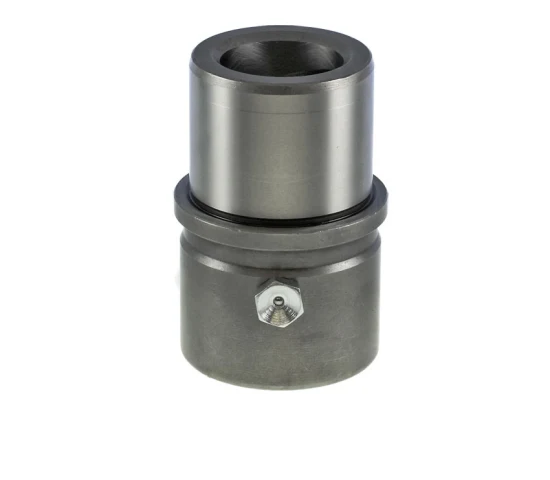
A guide bushing is described as a cylindrical part installed in the mold that provides a tight fit for the alignment pins on the mold halves. The guide bushings help align the two halves accurately making sure that they fit perfectly when the mold closes. This alignment is crucial for maintaining the quality and consistency of injection-molded products.
Misaligning mold parts can result in defects such as warping, flashing, or dimensional inaccuracies. Regardless, guide bushings prevent such misalignments by guiding the trajectory of the mold halves, maintaining accurate positioning throughout the molding process.
To prevent misalignment, regular inspection of guide bushings is advised to check for wear and damage and replace them when required. To ensure smooth operations, proper maintenance of guide bushings is essential which can be done by lubrication and cleaning.
Manufacturers can minimize the risk of mold misalignment by comprehending the workings of guide bushings and implementing proper maintenance.
Types of Guide Bushings
The injection molding guide bushings come in various materials, each with its own advantages and applications. Some of them include:
- Hardened Steel: these guides are durable and resistant to wear, making them suitable for high-volume production and molds with frequent use.
- Stainless Steel: Stainless steel guide bushings are ideal for molds in humid areas as they are resistant to corrosion.
- Bronze:Bronze alloys have self-lubricating properties that reduce friction and wear between the bushing and alignment making them suitable for use in guide bushings to enhance production of intricate injection molded products.
Choosing Your Injection Molding Guide Bushings
The selection of guide bushing material depends on the requirements of the molding application and the design of the mold. For instance, hardened steel guide bushings are often preferred in areas where durability and longevity are paramount like automotive or electronics manufacturing.
In humid areas like medical device manufacturing, stainless steel guides are more preferred because of their corrosion resistance property. Bronze alloys are usually picked for molds in need of smooth and precise movements i.e. those used in optical lens manufacturing.
In the long run, the selection of guide bushing material is dependent on factors such as the expected lifespan of the mold, environmental conditions, desired level of precision, and budgetary constraints.
Selection Criteria for Guide Bushings
When selecting guide bushings for injection molding, several key factors should be taken into account to ensure optimal performance and longevity.
1. Compatibility with Mold Size
To ensure accurate alignment between the moving and stationary halves, the gush bushings must fit precisely within the mold cavity. choosing guide bushings that match the mold cavity dimensions, and prevent misalignment issues during development.
2. Expected Load on the Mold
For molds that are subjected to high-volume production or high pressure, guide bushings are designed to handle a great load-bearing capacity. two ensure durability and longevity of the mold under heavy usage materials like hardened Steel are used.
3. Operational Temperature
When selecting guide bushings consider the operational temperature and the molding environment. materials in excellent heat resistance Like Stainless steel or specialized alloys prevent deformation or failure of the guide bushings in extreme temperature conditions thus maintaining mold integration.
4. Environmental Conditions
environmental factors such as humility and corrosion impact guide bushing performance using the appropriate material crucial for an environment in humid or prone to corrosion.
Tips for Choosing the Right Guide Bushings
To choose the right guide bushings, you need to follow the following tips:
- Consider Mold Complexity: Choose guide bushings suitable for the intricacy of the mold design and the required precision of the finished parts.
- Material Compatibility: Preferred guide bushings should be from materials compatible with the molding process and the type of material being molded.
- Load-Bearing Capacity: For molding operations with high volume and pressure, opt for guide bushings with an appropriate load-bearing capacity.
- Proper Clearance: Ensure guide bushings have proper clearance mechanisms to prevent misalignment and minimize friction.
Installation and Alignment
Here is a step-by-step guide on how to install guide bushings for effective performance:
- Always ensure that the mold halves are clean and free of any contaminants. This provides a smooth surface for the installation of guide bushes ensuring proper alignment.
- Choose guide bushings that are compatible with the mold design and molding requirements. Consider factors such as material compatibility, load-bearing capacity, and operational temperature to select the appropriate guide bushings for the job.
- Position the guide bushings in their designated locations carefully within the mold halves. Ensure that they fit tightly and securely to provide accurate alignment during the molding process.
- Use precision alignment tools such as alignment cones to ensure that the guide bushings are installed with precision and accuracy. Alignment cones help maintain a parallel match between the mold halves, ensuring smooth operation and preventing misalignment issues.
- Ensure that the guide bushings are correctly aligned and secured using appropriate fasteners or locking mechanisms. Be sure to confirm that they are firmly fixed to prevent any movements during the molding process.
- After installation, test the mold halves to ensure that they move smoothly and align accurately. Any resistance or misalignment should be addressed with immediate response to prevent issues during production.
- Schedule regular maintenance checks to inspect the guide bushings for wear or damage after some time off work throughput. Replace any worn or damaged bushings promptly to ensure the continued effectiveness and longevity of the mold.
Maintenance Practices
Effective maintenance of guide bushings is critical for ensuring smooth operation and increased machine lifespan in various mechanical systems. Some of the best maintenance practices are as below:
Regular Lubrication
Regularly apply lubricants to the guide bushings to reduce friction and wear between the bushing and alignment pins. It is advisable to use lubricants that are recommended by the manufacturer and use them according to the specified intervals to ensure smooth operation and prolonged life of the bushings.
Periodic Inspections
In Order to check for signs of wear, damage, or binding in the guide bushings, it is required to conduct and schedule regular inspections of the guide bushings. Inspect for any presence of debris or contaminants that may have accumulated and cleanse the bushings as needed to maintain a consistent optimal performance.
Replace Worn or Damaged Bushings
If wear or damage is detected during inspections, the guide bushings should be replaced promptly to prevent further issues. The usage of worn or damaged bushings can result in misalignment, poor product quality, and potential damage to the mold.
Adjust Clearance and Tolerances
Occasionally check the clearance and tolerances of the guide bushings to make sure that they are properly aligned and minimize friction. If adjustments are mandatory, follow the manufacturer’s recommendations to maintain precise operation and prevent excessive wear.
Monitor Operating Conditions
Keeping track and logging the operating conditions of the molding process i’e pressure, temperature, and cycle times is essential. Extreme conditions can fasten wear on guide bushings, so take action to mitigate any factors that could result in premature failure.
Implement Preventive Maintenance
Set up preventive maintenance schedules that include regular lubrication, inspections, and adjustments of the guide bushings. By constantly conducting maintenance checks, you can pinpoint and address potential issues before they soar, ensuring the longevity of the guide bushings.
Common Issues and Troubleshooting
There are various problems associated with injection molding guide bushings. These issues include:
Wear
Wear is a common problem affecting guide bushings. It usually occurs over time due to friction and iterated use. Major signs include increased clearance between the bushing and alignment pins, asymmetry on the bushing surface, and reduced smoothness in mold operation.
Misalignment
Misalignment occurs when the guide bushings do not match properly. This happens due to improper installation, wear, or damage. Symptoms of misalignment include uneven mold closure, difficulty in aligning the mold halves, and production of defective parts due to poor alignment during the molding.
Sticking
Sticking happens when guide bushings with inadequate surface finish bind the molds during the opening and closing cycles. This prevents smooth movement of the mold halves. Normally this issue arises from insufficient lubrication, contamination, or debris accumulation. Sticking bushings leads to production delays, an increase in wear on other mold components, and poor product quality.
Troubleshooting Techniques and Solutions to Guide Bushing Issues
To tackle wear in guide bushings, perform regular inspections for possible signs and replace them when necessary. Lubricate them to reduce friction and minimize wear, and consider upgrading to more durable materials or coatings for increased longevity.
Misalignment issues can be corrected by inspecting and carefully realigning the guide bushings. Ensure best practices and techniques are followed during installation. Replace any damaged or worn-out bushings to maintain accurate alignment between the mold halves.
To prevent sticking of guide bushings, ensure they are sufficiently applied with lubricants and free of contaminations. Regularly clean the bushings to eradicate any debris or buildup that might result in sticking. Finally consider using self-lubricating or low-friction materials for improved performance.
Innovations and Technological Advancements
Recent developments in guide bushing technology can revolutionize the injection molding process as follows:
1. Advanced Materials
Major strides in guide bushing technology include the use of advanced materials such as engineered plastics, ceramic composites, and high-performance alloys. These materials are often immune to wear and have reduced friction and enhanced durability compared to their traditional material counterparts like steel.
2. Specialized Coatings
Innovations in materials like coatings, such as diamond-like carbon(DLC) and Teflon coatings, are a game-changer as they improve the performance of guide bushings. These coatings provide increased hardness, corrosion resistance, and low friction leading to smoother operation and extended life span of the bushings.
The advancements in guide bushing technology contribute to an efficient and attested injection molding process in numerous ways. By minimizing friction and wear, advanced materials and coatings help reduce downtime for maintenance and replacement thus increasing productivity and cost savings.

Conclusion
To sum it up, guide bushings are like quiet heroes, ensuring that everything works as it should behind the scenes in the injection molding process. These parts may be small-natured components but have a great impact on the molding process. Making use of high-quality bushings is crucial for any operation that appreciates precision, efficiency, and longevity in its production processes.


