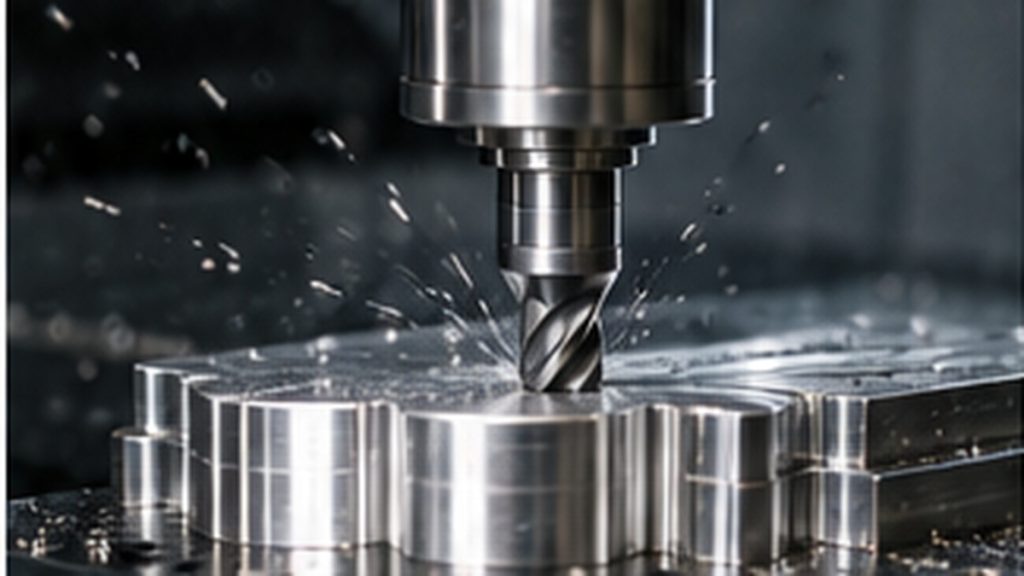
Selecting the ideal mold steel is not simply about identifying the “best” material; it is about designing the most cost-effective solution for a specific production lifecycle. In high-risk environments such as injection molding, a mismatch between steel grade and part requirements can lead to serious consequences—from premature mold fatigue and surface degradation to excessive and avoidable costs.
In this guide, we move beyond basic technical specifications to examine the strategic trade-offs between P20, S136, and NAK80. The goal is to help you ensure that your mold investment aligns precisely with your production objectives and long-term performance requirements.
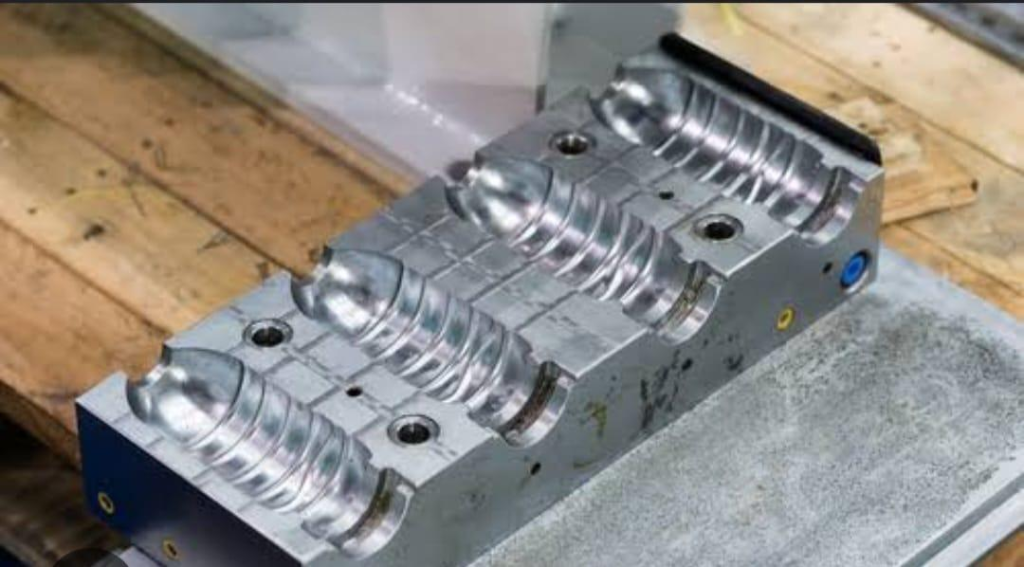
In-Depth Analysis of Core Mold Steels
When selecting mold steel, many teams treat it as a materials-specification exercise. In practice, it is a risk-allocation decision. Each steel grade shifts risk to a different phase of the project—machining, production stability, surface quality, or long-term maintenance. The real difference between P20, S136, and NAK80 lies in how they balance cost control, surface performance, and dimensional stability.
P20 Steel: The General-Purpose Industry Standard
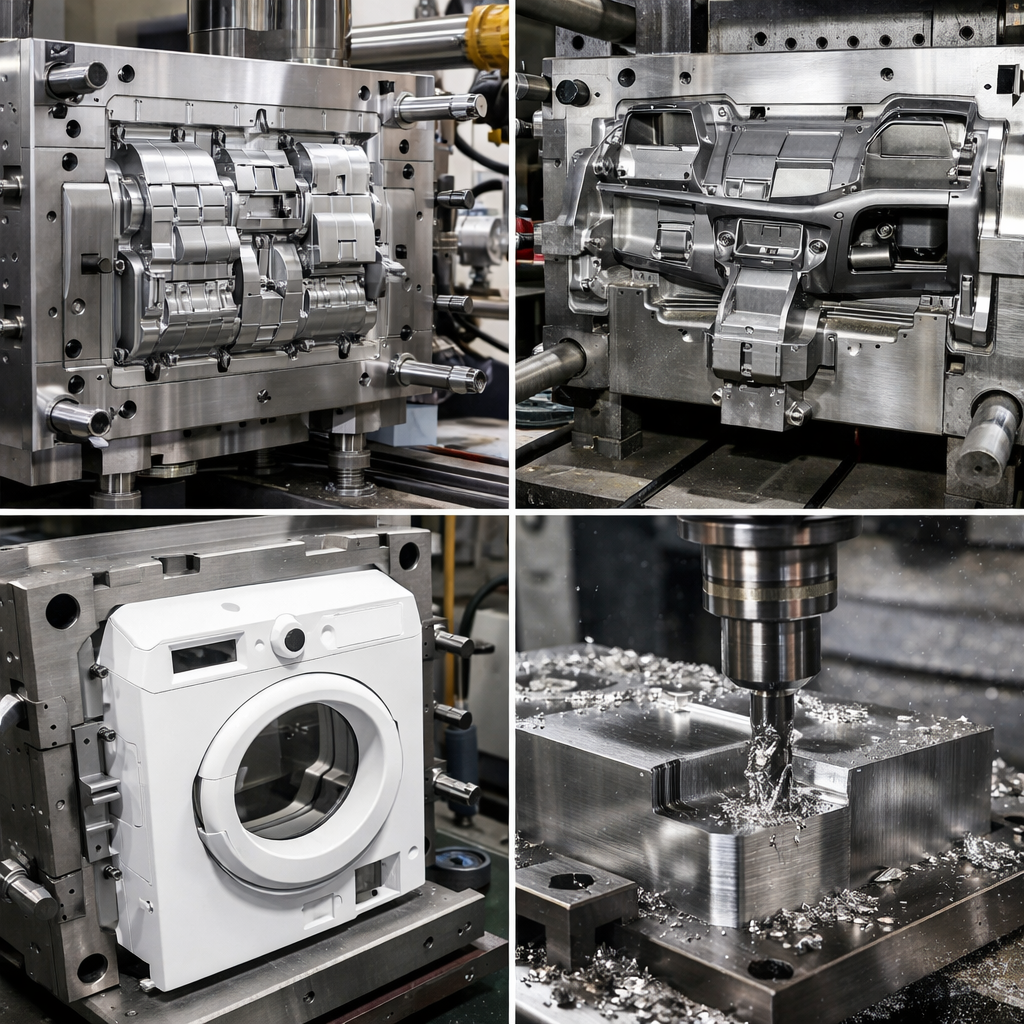
When cost control and predictable delivery matter most
P20 is widely used not because it excels in one extreme capability, but because it performs reliably across many normal use cases. Its pre-hardened condition and good machinability make it well suited for projects where speed, budget, and tooling size are primary constraints.
In real-world programs, P20 often plays a strategic role: it allows teams to allocate budget toward design validation, tooling iterations, or market timing rather than locking capital into premium steel early. This becomes especially relevant for large molds, where steel cost scales rapidly with cavity and core volume.
A practical way to frame the decision is this:
If part quality does not depend on mirror-level surface finish, and the resin system does not introduce significant corrosion risk, P20 is usually sufficient.
- Commonly used for large molds, automotive interior/exterior parts, and appliance housings
- Limitations become apparent with transparent parts, cosmetic-critical surfaces, or corrosive materials
S136 Steel: The Corrosion-Resistant and Mirror-Polished Benchmark

When surface quality defines yield
S136 becomes relevant when surface condition is no longer a “nice to have,” but a hard requirement. For transparent parts, optical components, or cosmetic-critical surfaces, part yield is directly tied to cavity surface integrity. In these cases, polishing quality and corrosion resistance set the upper limit of performance.
With a high-chromium stainless composition, S136 is particularly effective when molding PVC or other materials that can introduce corrosive byproducts. Its value is not just longer life, but predictability—stable surface quality over time, fewer unplanned polishing cycles, and more consistent long-run yield.
A useful decision rule is:
If your biggest concern is gradual surface degradation impacting appearance or transparency—not initial mold cost—S136 is a justified investment.
NAK80 Steel: Precision and Manufacturing Stability

When dimensional accuracy matters more than extreme hardness
NAK80 occupies a distinct position between cost and performance. Delivered in a pre-hardened state (around 40 HRC), it eliminates the need for secondary heat treatment—a stage that frequently introduces distortion and dimensional risk.
In precision-driven industries such as electronics, dimensional consistency and surface uniformity often outweigh ultra-long mold life. NAK80 performs particularly well in EDM processing and fine-texture applications, making it suitable for molds with detailed features, tight tolerances, or strict aesthetic consistency requirements.
A simple way to assess fit is to ask:
Is my part’s value driven by dimensional repeatability and surface consistency rather than million-cycle durability?
If so, NAK80 often offers a better balance than upgrading directly to a fully hardened stainless steel.
- Common applications include precision electronic housings and parts with demanding texture requirements
- Key positioning points are no additional heat treatment and high precision with reduced deformation risk
Comparison Table: P20 vs. S136 vs. NAK80
If you want a fast, defensible steel decision, the table below captures the differences that matter most in production: hardness (and whether heat treatment is required), polishability, corrosion resistance, typical mold life, and relative cost. Use it as a shortlist tool—then confirm the final choice against your resin system, surface requirement, and expected shot count.
| Attribute | P20 | S136 | NAK80 |
| Hardness (HRC) | 28–32 (typical, pre-hardened) | 48–52 (after heat treatment) | 37–42 (pre-hardened) |
| Polishability | Medium | Excellent (mirror polish capable) | Very good |
| Corrosion resistance | Low | Very high | Medium |
| Typical mold life | 300k–500k shots | 1M+ shots | ~500k shots |
| Relative cost | $ (lowest) | $$$ (highest) | $$ (mid) |
- Hardness is not the whole story. Higher HRC generally improves wear resistance, but it can also increase machining time and complexity. S136 earns its cost when you need hardness and surface stability for long runs.
- Polishability is the decision driver for transparent and cosmetic-critical parts. If clarity, gloss, or optical appearance affects yield, S136 typically sets the highest ceiling. NAK80 can perform very well too, but it is usually chosen when precision and process stability are the priority.
- Corrosion resistance is tied to resin choice and operating conditions. If you mold PVC or materials that create corrosive conditions—or if the tool will sit in a humid environment—S136 reduces the risk of surface pitting and finish degradation.
- “Mold life” depends on how you run and maintain the tool. Shot-count ranges assume reasonable design, cooling, and maintenance. Poor water quality, inadequate venting, or unstable processing can shorten life regardless of steel grade.
This is why the same steel can be “perfect” in one program and a cost trap in another. The table gives you the baseline—your application defines the final answer.
How to Choose by Application Scenario
Steel selection becomes straightforward when you start from the failure mode you cannot tolerate. In some programs, the biggest risk is cosmetic reject or haze. In others, it is dimensional drift, unplanned maintenance, or simply over-investing in tooling too early. The four scenarios below translate common production goals into a clear steel recommendation—and, more importantly, explain why.
Scenario A: You need ultra-high transparency (optical-level clarity)
Recommended: S136
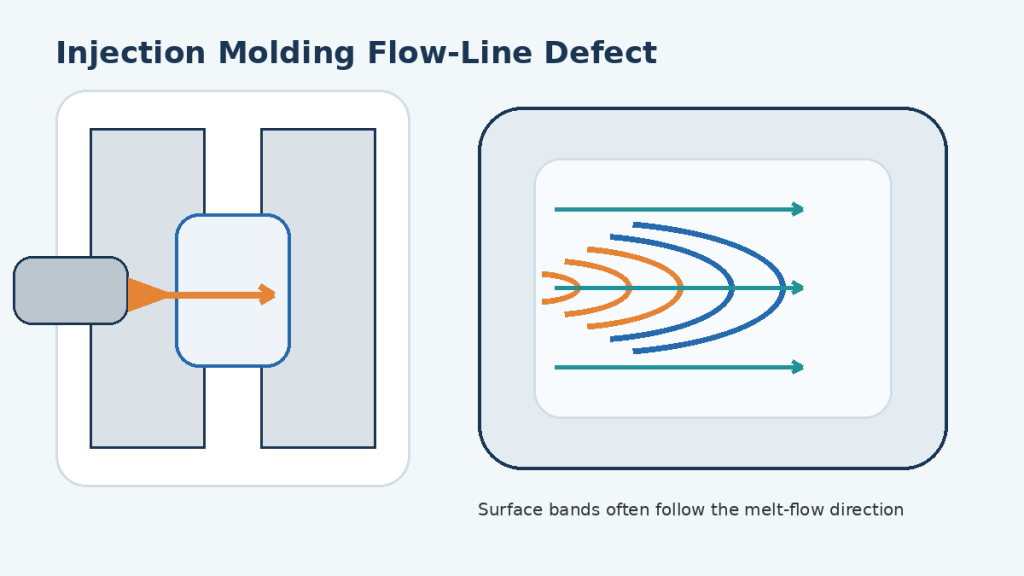
For transparent parts, “good enough” surface finish is rarely good enough in production. The cavity surface quality directly affects haze, clarity, and whether tiny surface defects show up as visible flow lines or cloudiness. With optical or high-transparency components, the mold must support high-purity steel and stable mirror polishing—not just on day one, but after thousands of cycles, cleaning events, and normal shop handling.
S136 is typically chosen here because it provides a higher polishing ceiling and better surface stability. That matters because transparency problems often do not show up as one dramatic defect; they show up as gradual yield loss—more parts need rework, inspection standards tighten, and rejection rates climb. If the part’s value depends on clarity, S136 is usually the most economical path because it reduces the “hidden” costs of polishing maintenance and scrap.
Scenario B: High-volume production and durability (long-run output)
Recommended: S136 (heat-treated)
When you are planning for sustained production, mold steel is no longer a tooling expense—it becomes a unit-cost variable. The question shifts from “What is the cheapest tool to build?” to “What is the most cost-effective tool over its service life?”
In high-shot-count programs, wear and surface degradation eventually force downtime: parting line repairs, cavity resurfacing, vent restoration, or dimensional corrections. Heat-treated S136 is frequently selected because it combines high hardness with corrosion resistance, helping the tool hold dimensions and surface condition longer under real production stress.
A practical way to frame the ROI is simple:
- If upgrading the steel reduces maintenance stops, re-polishing, and scrap—even slightly—those savings compound across millions of parts.
- For long-run molds, preventing one major rebuild can outweigh the initial steel premium.
Scenario C: Cost-sensitive projects with simple geometry (budget control)
Recommended: P20
Not every mold needs premium steel. If your part is structural, non-transparent, and not appearance-critical—and especially if the program is still in validation—P20 often delivers the best cost-performance balance.
P20 makes sense when the priority is to move quickly through trial and iteration: you can cut steel faster, adjust the tool more economically, and avoid paying for capabilities you do not actually need yet. This is why P20 is common in:
- early-stage builds where design changes are still likely,
- pilot production,
- parts where cosmetic perfection is not the acceptance criterion.
The key is discipline: P20 is a smart choice when you are intentionally buying speed and flexibility. It becomes a problem only when teams expect it to perform like a high-hardness, high-polish, corrosion-resistant tool steel in a demanding application.
Prototype injection molding is commonly used during validation phases—allowing faster iteration without over-investing in hardened tooling.
Scenario D: Precision electronics and small features (tight tolerances)
Recommended: NAK80
In precision electronics, the dominant risk is often not wear—it is variability. Small parts amplify small problems: slight dimensional drift, inconsistent EDM results, or deformation after heat treatment can push critical features out of tolerance and create assembly failure.
NAK80 is commonly selected because its pre-hardened condition helps avoid the dimensional instability that can be introduced by post-machining heat treatment. Its uniform rigidity and good EDM response make it easier to maintain consistent fine features and texture quality across the tool.
If your success metrics are measured in fit, snap function, sealing performance, or micro-feature repeatability, NAK80 often provides a very practical advantage: it supports precision without forcing you into the cost and manufacturing risk profile of a fully hardened stainless system.
Conclusion
If you are evaluating a new mold or reassessing an existing tool, involve steel selection early—before design decisions and budgets are locked in. A short, upfront discussion about part material, surface requirements, and expected production volume can prevent costly corrections later. If needed, our engineering team can help you review these factors and recommend a mold steel strategy that supports both performance and long-term return.
FAQ
Which steel is best for medical device molds?
In most medical applications, S136 is the safest and most commonly recommended choice—especially when the mold must maintain stable surface quality over time. Medical programs often involve stricter requirements around surface integrity, corrosion resistance, and long-term repeatability. S136’s stainless composition helps reduce the risk of surface pitting, staining, and finish degradation, which can otherwise translate into cosmetic rejects, sealing issues, or higher validation risk.
That said, “medical” is a wide category. For non-cosmetic housings or low-risk structural components, other steels may still be viable depending on the resin, shot count, and inspection criteria. But if the program involves high cleanliness expectations, aggressive materials, or appearance-sensitive surfaces, S136 is typically the most defensible selection.
Can P20 be hardened?
P20 is generally supplied as a pre-hardened mold steel (commonly around the high-20s to low-30s HRC range). While certain variants and processes may allow limited hardness adjustment, P20 is not designed to be hardened the same way as through-hardening tool steels.
The practical issue is not only whether hardness can be increased, but what you risk in doing so:
- Distortion and dimensional change can increase significantly after heat treatment, especially on larger blocks.
- Machinability and polish consistency may degrade depending on the treatment route.
- The performance gain often does not justify the added cost and risk versus selecting a steel intended for higher hardness from the start.
If your application truly requires higher wear resistance or longer life, it is usually more effective to choose a steel grade engineered for that purpose rather than trying to “push” P20 beyond its intended operating range.
What is the difference between S136 and S136H?
In many supply chains, S136H typically refers to an S136 variant delivered in a pre-hardened condition (“H” commonly indicating hardened or pre-hardened). The practical difference is how the steel arrives and how much heat-treatment work remains:
- S136 (standard delivery): may be supplied in a softer state and then heat-treated by the toolmaker to reach the desired hardness range for production. This route offers more control over final hardness targets and process sequencing.
- S136H (pre-hardened delivery): reduces lead time because the steel arrives closer to working hardness, helping some programs move faster into machining and trial.
The trade-off is straightforward: S136H can shorten the build timeline, while S136 with controlled in-house heat treatment can provide more flexibility when the program has strict requirements for hardness, polishing outcome, or long-run performance. The right choice depends on whether your priority is speed-to-trial or maximum control over final tool properties.