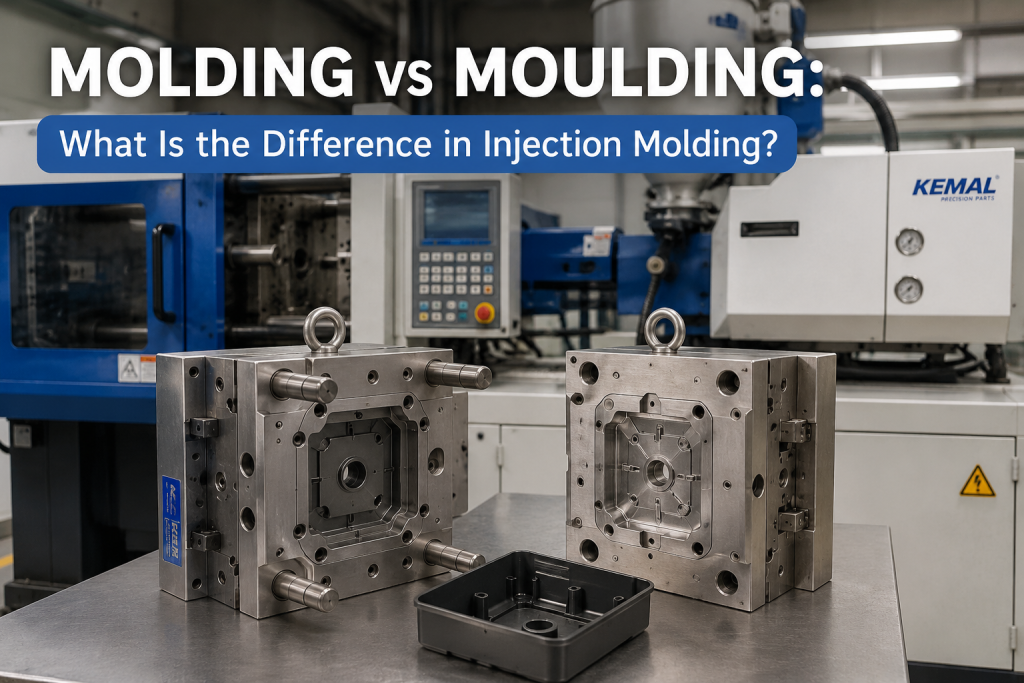
Molding and moulding refer to the same manufacturing concept. The difference is regional spelling: molding is standard American English, while moulding is standard British English and is also common in many Commonwealth markets. The process, tooling, material, and quality requirements do not change because one letter is added.
For an injection-molding project, the practical question is not which spelling is “correct.” It is whether the supplier understands the part, mold, resin, tolerances, finish, inspection plan, and production volume. This guide explains the terminology, shows where the words appear in technical documents, and gives buyers a short checklist for selecting the right manufacturing service.
Molding vs Moulding: The Spelling Difference
The spelling follows the English variety used by the audience:
| Term | Common usage | Example |
| molding | American English | plastic injection molding, molding machine, mold design |
| moulding | British English and some Commonwealth usage | plastic injection moulding, moulding machine, mould design |
| mold | American English noun | injection mold, mold cavity, mold maintenance |
| mould | British English noun | injection mould, mould cavity, mould maintenance |
Neither spelling indicates a different machine, resin, standard, or level of quality. A UK buyer may write “injection moulding tool,” while a US drawing or website may say “injection molding tooling.” Confirm the intended meaning from the surrounding specification rather than correcting the customer’s spelling.
Why the Terms Matter for SEO and Technical Communication
Search engines generally understand the relationship between the variants, but buyers still use both queries. A page targeting molding vs moulding can answer the terminology question while naturally covering related commercial questions:
- Is injection molding the same as injection moulding?
- Should a UK drawing say mold or mould?
- What is the difference between a mold maker and a mould maker?
- Which information does a plastic molding supplier need for a quote?
- Does the spelling change the process, tooling cost, or lead time?
Use one primary spelling for page consistency and include the regional variant in a definition, FAQ, or natural sentence. Do not create duplicate pages that differ only by “mold” and “mould”; consolidate the topic with a canonical URL.
What Injection Molding / Injection Moulding Actually Does
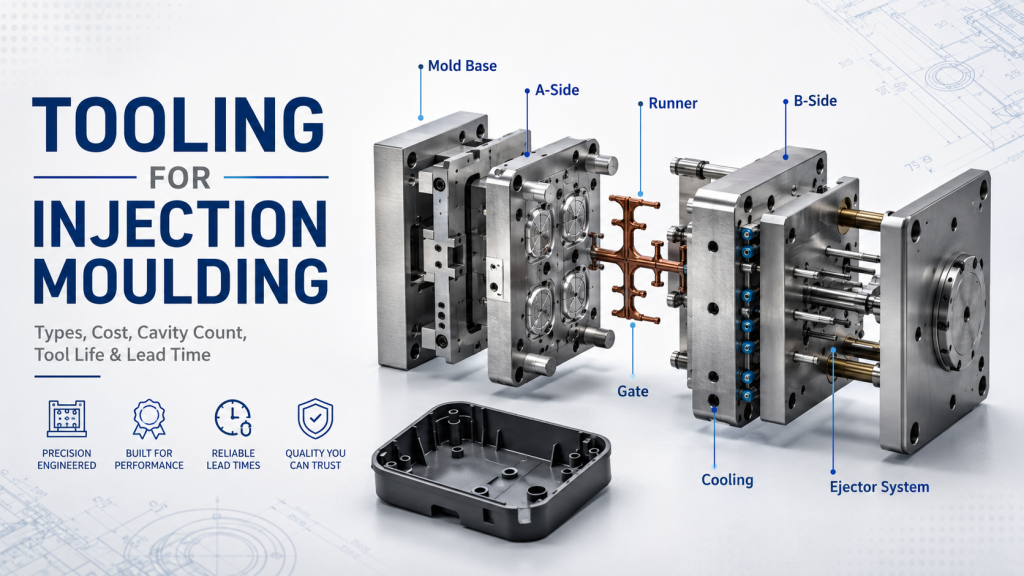
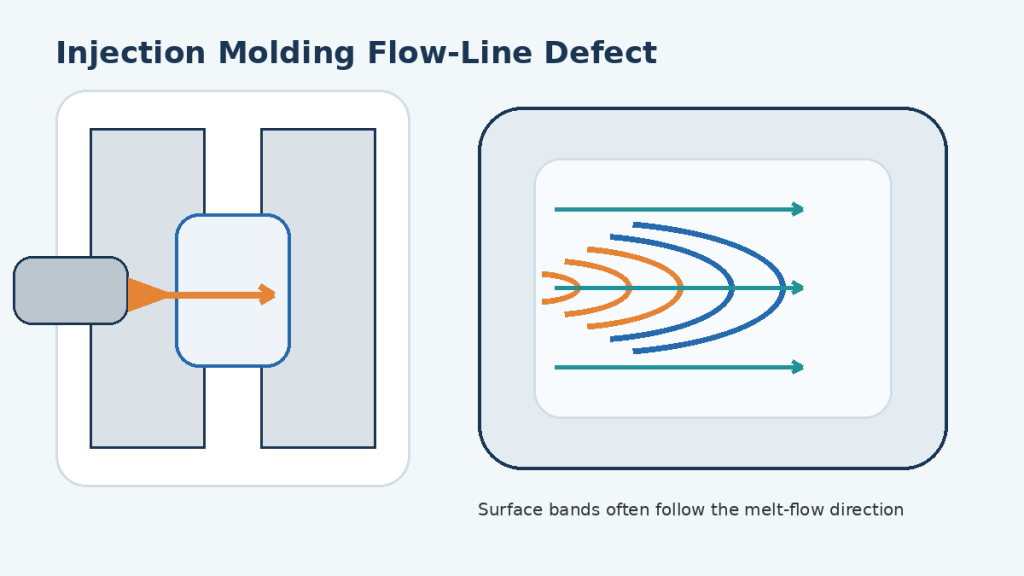
In injection molding, plastic pellets are heated, plasticized, and injected into a cavity under controlled pressure. The mold provides the part geometry; cooling, ejection, and process settings influence shrinkage, warpage, cycle time, and appearance. A production review normally covers:
- part geometry and draft;
- material and approved alternatives;
- wall thickness, ribs, bosses, and cosmetic zones;
- gate, runner, vent, cooling, and ejection strategy;
- target quantity and expected tool life;
- inspection, testing, and packaging requirements.
The spelling does not change any of these engineering decisions. For process context, see injection molding services.
Mold vs Mould: Related Terms Buyers Will See
The same regional rule applies to related terms, but the documents may come from different countries or suppliers. Common pairs include:
| American English | British English | Meaning |
| injection mold | injection mould | Tool containing the cavity and core that form the part |
| mold maker | mould maker | Company or person responsible for tooling manufacture |
| mold design | mould design | Design of cavities, cores, runners, cooling, vents, and ejection |
| mold flow analysis | mould flow analysis | Simulation used to review filling, cooling, shrinkage, or warpage |
| molded part | moulded part | Part produced by the molding/moulding process |
| mold maintenance | mould maintenance | Cleaning, inspection, repair, and storage of tooling |
When reviewing a drawing, purchase order, or quality agreement, preserve the customer’s wording in the document title if necessary, but define the term once. This prevents a language difference from being mistaken for a scope difference.
Choosing a Plastic Molding Supplier
If the search began as a spelling question, the next step is often supplier evaluation. Ask how the supplier will turn your part data into a repeatable process.
| Evaluation area | Evidence to request |
| DFM | Draft, wall-thickness, undercut, gate, vent, cooling, and ejection comments |
| Material | Resin grade, color, additive, drying requirement, and approved alternatives |
| Tooling | Cavity count, steel or aluminum choice, runner approach, tool-life assumptions |
| Quality | Critical dimensions, inspection method, sample report, and revision control |
| Production | Trial plan, cycle assumptions, capacity, packaging, and delivery milestones |
| Communication | Quote assumptions, open items, file confidentiality, and change control |
The supplier’s country may determine the spelling, but it should not replace evidence. A credible quote identifies what is included, what remains to be confirmed, and which requirements affect tooling or part cost.
When Molding and Moulding Are Not the Right Process
The spelling question should not distract from process selection. Injection molding is often appropriate for repeatable plastic parts and medium-to-high quantities, but other processes may fit a different validation stage:
- CNC machining: useful for functional prototypes or low-volume parts in engineering materials;
- 3D printing: useful for fast geometry checks or complex internal forms;
- Vacuum casting: useful for limited batches when a soft tool is acceptable;
- Sheet metal or fabrication: useful when the part is primarily formed from metal sheet.
The right choice depends on quantity, material, geometry, dimensional requirements, surface, and schedule. Kemal’s rapid prototyping services can be used as a starting point for comparing an early design with a tooled production route.
Cost and Lead-Time Questions
Changing “molding” to “moulding” will not change a quote. Cost and lead time are influenced by:
- cavity count and tool size;
- steel or aluminum selection and expected tool life;
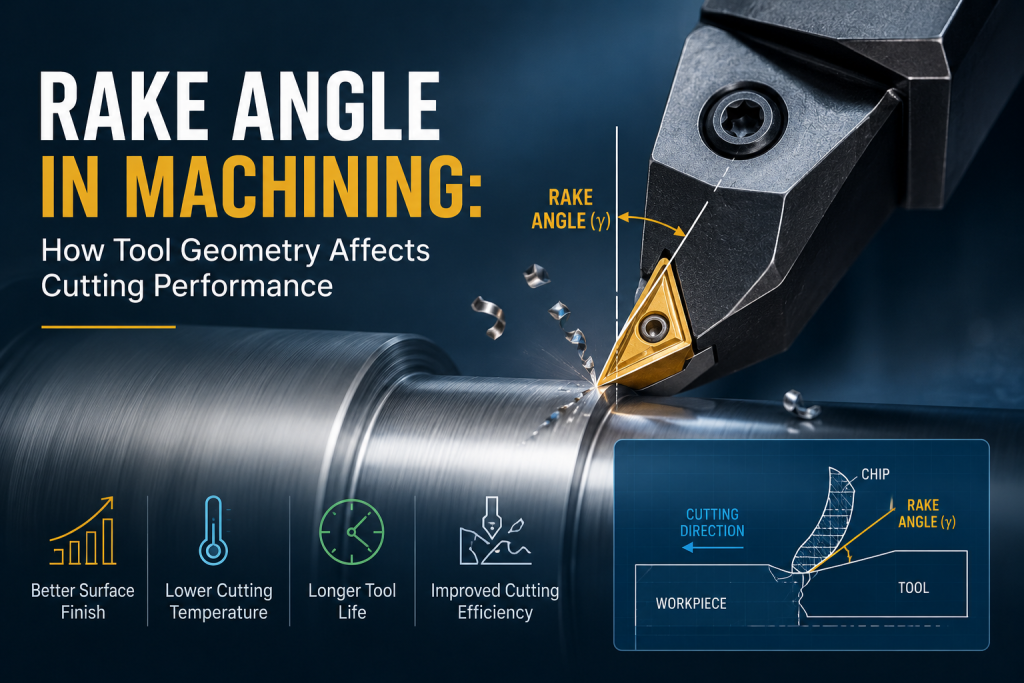
- part size, wall thickness, shrinkage, and cooling time;
- slides, lifters, inserts, and other actions;
- resin, color, finish, and material certification;
- trial shots, dimensional inspection, and corrective iterations;
- production quantity, packaging, and shipping.
Review mold design before requesting a final tooling price. A low initial tool price may exclude design changes, sampling, inspection, or maintenance that the project still needs.
FAQ: Molding vs Moulding
Is molding the same as moulding?
Yes. They are regional spellings for the same process and tooling concept. “Molding” is common in US English; “moulding” is common in UK English and some Commonwealth markets.
Is injection molding the same as injection moulding?
Yes. Both describe injecting molten polymer into a mold/mould, cooling it, and ejecting the finished part. The machine, material, and process controls are not determined by the spelling.
Which spelling should a website use?
Use the spelling that matches the primary market, then mention the alternative naturally in the introduction and FAQ. Do not publish duplicate pages for the two spellings.
Should a technical drawing use mold or mould?
Follow the customer’s document standard or the company’s controlled terminology. More important than the spelling are the tool scope, part revision, material, tolerance, inspection, and acceptance criteria.
Does “moulding” mean a different type of plastic part?
No. The word alone does not identify the resin, machine, mold construction, or quality level. Those details must be stated separately.
What should I send a molding supplier for a quote?
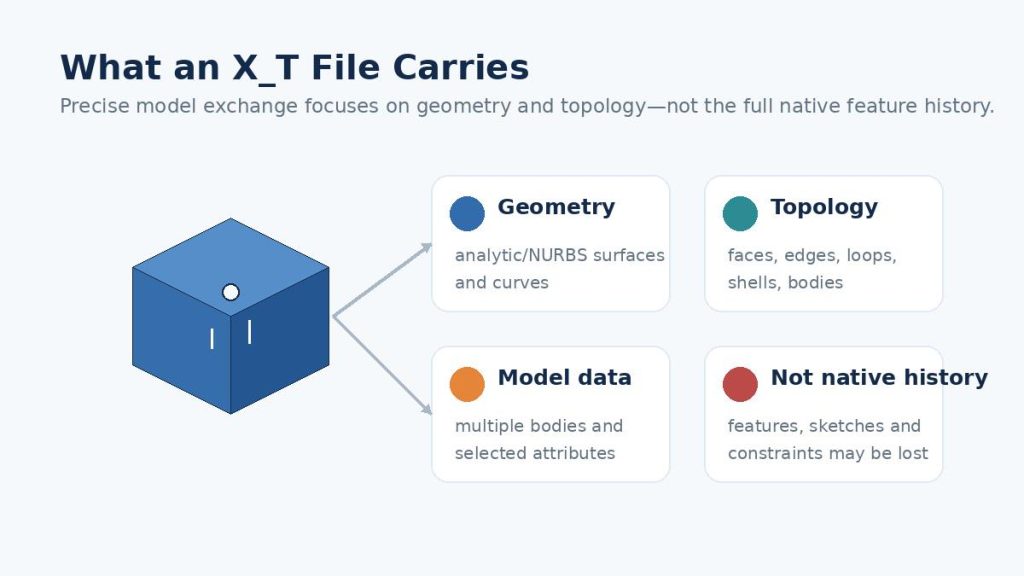
Send a 3D model, 2D drawing, revision, resin and color, quantity, cosmetic requirements, target date, packaging, and inspection needs. Add questions about mold ownership, maintenance, sampling, and change control.
Request a Molding / Moulding Review
If you are comparing terminology while preparing a real project, send the part drawings, resin, annual volume, target date, and quality requirements. Kemal can review the manufacturing assumptions and identify the next step.
Please click the “Get Instant Quote” button below.