

Plastics have become ubiquitous in various industries, from daily chemical packaging to medical equipment and automotive applications.
Unlike metal welding, connecting plastics involves a myriad of techniques. In this comprehensive guide, we delve into the different types of plastic connections, their applications, and the tools and processes involved.
Plastic Connection Types

Adhesive Connection
Adhesive connection is the art of joining homogeneous or heterogeneous plastic surfaces with adhesives. Adhesives, often referred to as glue, exhibit adhesion and cohesion, binding plastic components together.
This method is versatile, providing a simple, cost-effective solution with low equipment requirements. However, it may have slower welding speeds and considerations for toxic solvents.
Solvent Connection

Solvent welding involves dissolving plastic surfaces, creating a joint upon solvent evaporation. The method is suitable for non-crystalline thermoplastics, offering strength comparable to parent materials.
However, it’s not applicable to certain plastics like PE, PP, and fluoropolymers. Solvent welding is cost-effective but requires precautions due to toxic solvents and slower welding speeds.
Fastener Connection

Fasteners, including press-in fasteners, self-tapping screws, and bolts, provide mechanical connections between plastic parts. Press-in fasteners form interference fits, ensuring secure connections, while self-tapping screws use threads for attachment.
Hinge Connection

Plastic hinges, categorized as single-piece integrated, two-piece integrated, and multi-piece combined hinges, offer diverse design options.
While integrated hinges reduce overall part size, multi-piece hinges provide repeated open-close functionality, demanding precision in mold design.
Insert Molding

Insert molding integrates pre-prepared inserts into injection molds, creating a robust bond. This method facilitates the combination of resin formability with metal’s rigidity, producing complex metal-plastic integrated products.
Multi-Part Molding
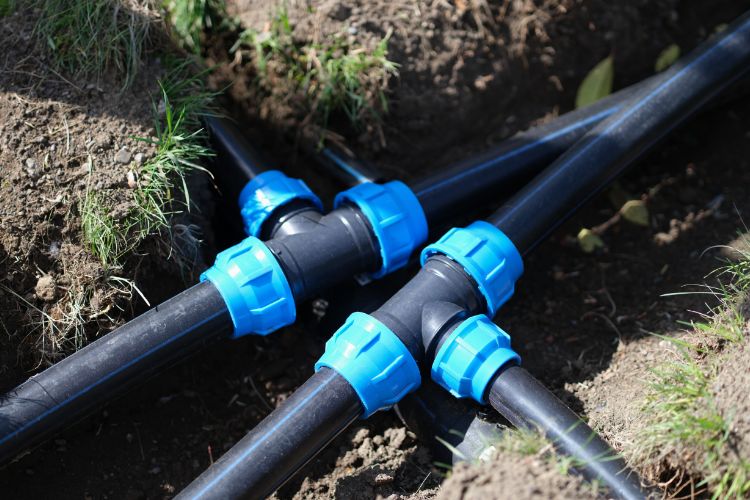
Also known as two-color injection molding, multi-part molding injects two different plastic colors into the same mold. This technique allows for dual-colored or patterned plastic parts.
Molded Thread Forming

Molded threaded connections involve creating threads directly on plastic parts through injection molds. External and internal threads provide options for different applications, such as bottle cap production.
Tapping Thread Connection

Similar to metal threading, plastic tapping involves drilling and tapping holes in plastic parts to create threads, allowing connections with other components.
Pressure Fit

Pressure fit, or interference fit, assembles plastic parts by applying pressure during connection, creating a secure joint. This method uses elastic deformation for torque or axial force transmission.
Snap Connection
Buckles, a common mechanism for plastic part connection, are easy to install and disassemble without tools. They consist of positioning and fastening components, with removable or non-detachable fasteners depending on usage.
Plastic Riveting

Rivet welding combines parts made of different materials using rivet posts. Cold rivet welding applies high pressure, while hot riveting welding uses heated compression welding heads or hot gas for a wider range of materials.
Induction Welding Rod
High-frequency induction welding uses electromagnetic fields to heat and weld plastics, suitable for materials like PVC, TPU, EVA, and PET.
Spin Welding
Rotary friction welding machines weld round thermoplastic workpieces by generating heat through friction. Positioning spin welding ensures a permanent fusion.
Hot Plate Welding
Hot plate welding involves heating plastic surfaces on controlled hot plates, followed by pressing them together. It’s ideal for joining thermoplastic sheets, films, or molded parts.
Hot Gas Welding Rod
Hot gas welding techniques include spot welding, permanent hot gas welding, and extrusion welding. These methods use heated air to melt plastic parts and welding rods, achieving strong bonds.
Ultrasonic Welding
Ultrasonic welding uses high-frequency vibrations to create heat, rapidly melting and fusing plastic surfaces. It’s versatile, applicable not only to plastic welding but also fabric and film processing.
Vibration Welding
Vibration welding relies on frictional heat energy generated between workpieces to melt plastic surfaces. Linear, orbital, and angular vibration welding methods provide flexibility for different applications.
Laser Welding
Laser welding employs a laser beam to melt plastic contact surfaces, bonding thermoplastic sheets, films, or molded parts. This method is fast, automated, and suitable for precise or sterile applications.
Hot Wire Welding
Hot wire welding, or resistance welding, uses a wire to transfer heat between connected plastic parts, melting surfaces and applying pressure for a strong bond.
How to Weld Plastics – Rigid Plastics Repair & Fabrication Welding
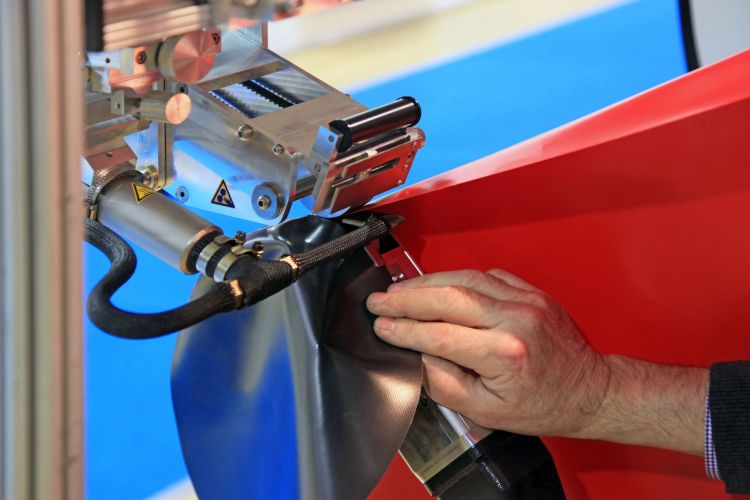
Plastics Identification
Before welding plastics, it’s crucial to identify the material for a successful weld. Use a Techspan Rod Test Kit to match welding rods with the parent material.
Surface Preparation
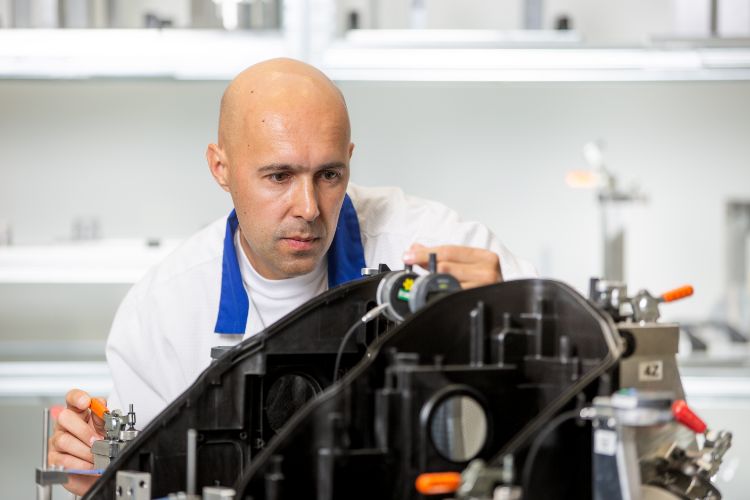
Effective surface preparation involves removing contaminants like grease, oils, and paints from plastic components. Cleaning methods include washing, abrasive wheel use, or other tools like paint scrapers and wire brushes.
“V” Grooving
Creating a “V” groove along the weld line using a rotary burr helps achieve strong structural welds. Careful use prevents damage to plastic components.
Tacking
Tacking plastics before welding ensures good joint interfaces and proper alignment of broken parts. Unlike metal welding, plastic welding requires tacking wherever welding rod placement is intended.
Pendulum Welding
Pendulum welding is suitable for short weld runs or challenging access areas. It involves a continuous, even heating motion of the parent material and welding rod.
Speed Welding
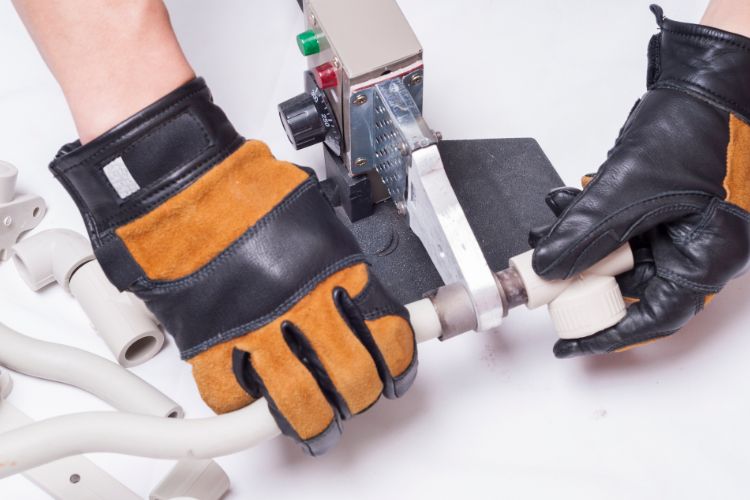
Speed welding is a faster technique for long weld runs. It employs specific nozzles for different welding rod profiles, offering efficiency and ease of use.
Extrusion Welding
Extrusion welding utilizes a welding head with a hot air nozzle and a plasticizing chamber to extrude filler material (welding rod) for welding thermoplastics. It is suitable for materials with a wall thickness of 10mm or more.
In conclusion, mastering the various welding techniques for plastic products allows for versatile applications across industries.
Whether it’s adhesive connection, hinge designs, or advanced methods like laser welding, understanding the tools, processes, and surface preparation is essential for successful plastic welding.
Always match welding rods with parent materials and adhere to proper cleaning and preparation procedures for robust and lasting connections.
Frequently Asked Questions (FAQs)


