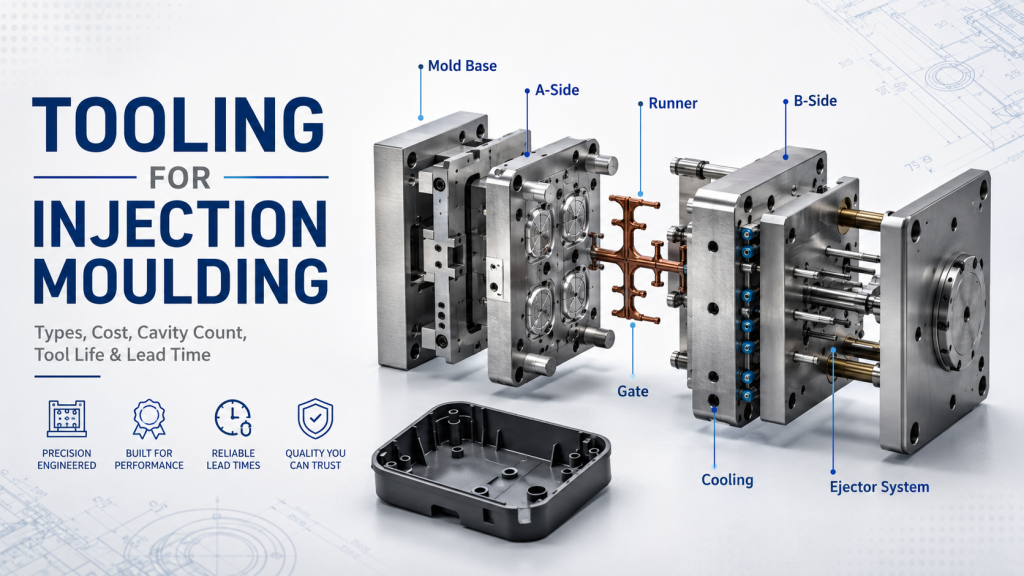
Plastic injection molding is a widely employed technique for manufacturing a diverse range of products, from automotive plastic parts to consumer electronics casings.
In this comprehensive guide, we delve into the intricacies of controlling injection pressure molding, a crucial factor influencing the quality, integrity, and performance of plastic products.
I. Understanding the Importance of Injecting Pressure
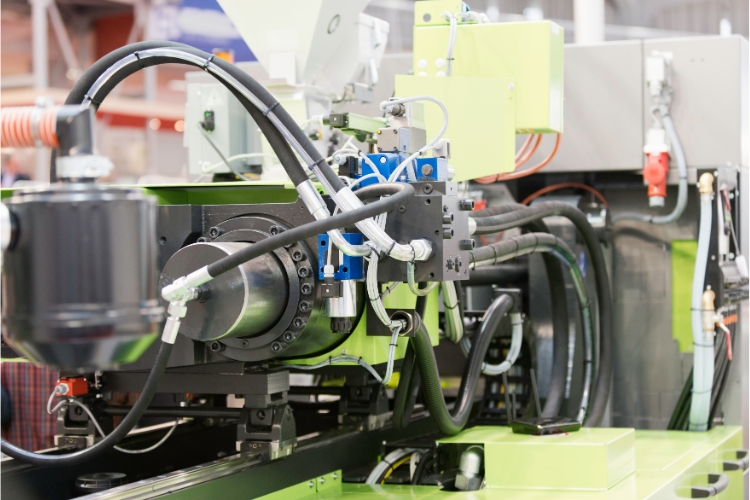
Injection molding pressure, measured in tons, is a key process parameter impacting dimensional accuracy, surface quality, and physical properties of molded products.
Controlling this pressure is essential for achieving precise results and optimizing the manufacturing process.
1. Control Dimensional Accuracy
Effective injection molding pressure control significantly influences the dimensional accuracy of plastic products. Consistent injection clamping pressure reduces variation, ensuring better precision and accuracy in the final product.
2. Control Surface Quality

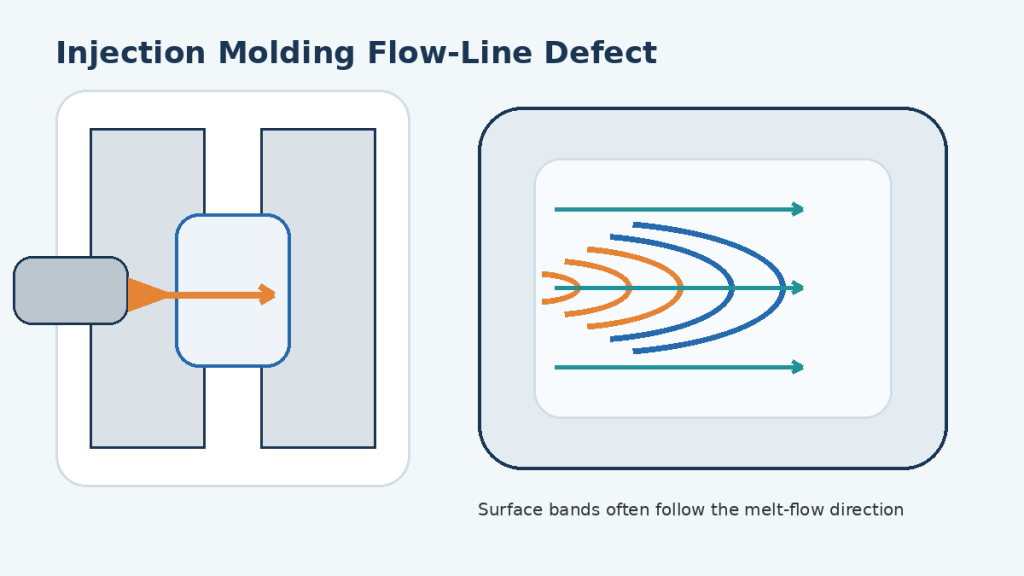
Injection pressure plays a pivotal role in determining product surface finish and venting performance. Appropriate pressure helps eliminate defects like bubbles and tumors, providing a smooth and defect-free surface.
3. Regulate Physical Properties
The injection molding pressure directly affects the physical properties of the products. Higher pressures result in denser products with enhanced physical characteristics, contributing to overall product quality.
II. How to Control Injection Molding Pressure?

Understanding the factors influencing injection pressure is crucial for effective control during the molding process.
1. Material Properties
The properties of raw materials significantly impact the size and change of injection pressure. Variations in injection pressure requirements exist even among raw materials of the same brand.
2. Mold Structure
The design and gap considerations of the mold have a profound impact on injection pressure control. A well-designed mold can effectively manage the size and change of injection pressure.
3. Adjustment of Injection Molding Equipment
Proper adjustment of injection molding machine equipment is crucial for stable and controllable injection pressure. Initial injection pressure settings play a pivotal role in enhancing stability during the molding process.
III. The Power of Injection Pressure Molding

Understanding the dynamics of injection pressure is crucial for achieving optimal results in the injection molding cycle.
1. Injection Pressure and Its Significance
Injection pressure, measured in pounds per square inch (psi) or bars, is a critical parameter determining the quality and consistency of the final product.
2. Fill Pressure, Pack Pressure, and Hold Pressure
These pressures are essential components of the molding process. Fill pressure ensures proper mold filling, pack pressure packs the plastic into mold crevices, and hold pressure minimizes shrinkage on the part.
3. Calculating Injection Pressure
The injection pressure is calculated using the formula P=F/A, where P is pressure, F is force, and A is the area. This equation helps understand and adjust the injection process for optimal results.
IV. Accounting for Viscosity Shifts
Maintaining a stable and consistent process is paramount for producing high-quality plastic parts. Viscosity shifts, a common challenge, can be visualized through the injection pressure cuarve, allowing for adjustments to ensure consistent quality.
Conclusion
Controlling injection molding pressure is a critical factor in producing high-quality plastic products. By understanding its nuances and implementing effective control measures, manufacturers can achieve precision, consistency, and efficiency in the injection molding process.
For any challenges in plastic injection molding, rely on experts like A1 Tooling to ensure excellence in performance and quality.
FAQs Section