Plastic Rapid Prototyping
Plastic rapid prototyping for appearance models, fit checks, and functional testing.
We support CNC machining, 3D printing, urethane casting, and rapid tooling, depending on prototype needs.
- ISO 9001 / ISO 13485 / IATF 16949 controlled prototype builds
- Free DFM review with CTQ features and tolerance risks identified
- Dimensional or CMM inspection reports are available on request
- Support from prototype to pilot runs and mass production
Rapid Plastic Prototyping
Rapid plastic prototyping for appearance reviews, fit/assembly checks, functional validation, and pilot builds. Parts are built for testing—not just visual samples.
Send your CAD files to receive a quote with practical DFM notes, estimated lead time, and optional dimensional/CMM inspection reports.
The same part can continue into pilot runs and mass-production injection molding, so you don’t need to switch suppliers mid-program.

Plastic Prototype Manufacturing Capabilities
| Capabilities | Plastic CNC Machining | 3D Printing (SLA/SLS/MJF/FDM) | Vacuum Casting (Urethane) | Rapid Tooling Injection Molding |
|---|---|---|---|---|
|
Best for |
Fit-critical parts, assemblies, functional testing |
Fast design iterations, complex geometry |
Appearance prototypes, small batch builds |
Production-intent parts, pilot runs |
|
Typical quantity |
1–50+ (part-dependent) |
1–50+ (process-dependent) |
5–100 |
50–5,000 (tooling-dependent) |
|
Tolerance approach |
±0.05 mm typical on controlled features; CTQs reviewed |
±0.10–0.30 mm depending on process and size |
±0.20–0.50 mm depending on part size |
±0.05–0.15 mm after tooling and shrink tuning |
|
Minimum wall (typical) |
≥1.0 mm (material & feature dependent) |
≥0.8–1.2 mm (process dependent) |
≥1.5–2.0 mm (geometry dependent) |
≥0.8–1.2 mm (material & flow dependent) |
|
Surface finishing |
As-machined; polish or bead blast as needed |
As-printed; post-finish available |
Mold-like surface; paintable |
Production-like textures and finishes |
|
Supported materials |
ABS, PC, PMMA, POM, PA (Nylon), PP, PEEK |
SLA resins, PA12 (SLS/MJF), TPU, PC/ABS (FDM) |
ABS-like, PC-like, rubber-like urethanes |
ABS, PC, PA, POM, PP, TPE/TPU, PEEK |
|
Inspection options |
Dimensional or CMM report on request |
Dimensional verification on request |
Visual & dimensional checks |
Dimensional / CMM / FAI on request |
|
When to choose |
When tight fits, datums, or functional interfaces matter |
When speed or geometry flexibility is the priority |
When multiple appearance samples are needed quickly |
When prototypes must reflect production materials and process |
*Material availability depends on geometry, process selection, and prototype intent.
Prototype Types We Support
Plastic rapid prototypes built to support appearance evaluation, functional verification, and production-intent pilot validation.

Appearance Prototypes
Appearance prototypes focused on surface finish and visual evaluation. Controlled textures and gloss levels are supported, with options for transparency, color matching, and paint-ready preparation. Parts are handled and packaged to protect cosmetic surfaces.

Functional Prototypes
Functional prototypes built to CTQ and tolerance targets using engineering-grade plastics. Feature accuracy for bosses, snap-fits, threads, and mating interfaces is supported, with optional dimensional or CMM inspection reports.

Pilot Prototypes
Production-intent pilot parts used to verify repeatability, material behavior, and batch consistency before release to full production. Pilot builds follow production-aligned processes, with inspection records and optional documentation to support transition into injection molding.
Prototype Plastic Parts Commonly Built for Rapid Prototyping
Plastic prototype parts built to validate appearance, fit and assembly, functional interfaces, and pilot readiness before production tooling.

Housings & Covers
Prototype housings and covers built to validate assembly datums, fastening features, and external surfaces. Common focus areas include snap-fit behavior, wall thickness transitions, cosmetic quality, and enclosure fit during test builds.

Brackets, Clips & Mounts
Prototype brackets, clips, and mounts used to verify load paths, snap engagement, and locating geometry. These parts support validation of stiffness, retention force, and alignment accuracy in early assemblies.
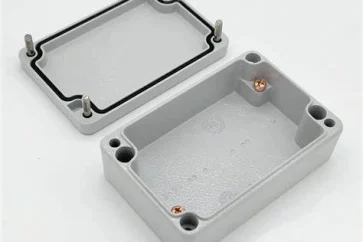
Fit & Sealing Interfaces
Prototype parts with sealing grooves and mating interfaces built to assess fit, compression, and leak-risk areas. Critical features are reviewed to confirm sealing performance and tolerance stack-up before production tooling.

Connector & Cable Interfaces
Prototype connector and cable interface components used to validate strain relief, pass-through features, and engagement geometry. These parts support checks on clearance, cable routing, retention, and assembly access.

Medical Device Components
Prototype medical device components built for fit, function, and usability evaluation. Controlled features, clean handling options, and inspection support are applied as required for early-stage validation.

Fixtures & Checking Gauges
Prototype fixtures and checking gauges built to support repeatable assembly, dimensional verification, and inspection planning. These tools help confirm critical dimensions and process readiness during prototype and pilot stages.
If your prototype part involves fit, sealing, or functional interfaces, upload your CAD for a rapid prototyping review.
DFM & Engineering Support
Before any prototype is built, our engineers review your CAD to identify design risks that can affect build speed, dimensional stability, and functional performance. Common focus areas include wall thickness transitions, draft conditions, ribs and bosses, warpage risk, assembly-related tolerances, and material selection.
Critical-to-quality (CTQ) features and appearance or fit interfaces are confirmed upfront. You receive a clear DFM report outlining recommended changes, the reason behind each recommendation, and whether the change is required for manufacturability or optional for optimization.

DFM feedback is aligned with prototype intent, whether the goal is appearance evaluation, functional testing, or pilot validation.

Prototype to Production Injection Molding Under One Roof
Once a plastic prototype is validated, the same part, CTQ definitions, and process knowledge can continue into pilot runs and mass-production injection molding. This avoids supplier changes, repeated DFM cycles, and loss of manufacturing context during scale-up.
- Same CTQs, datums, and inspection logic carried from prototype to production
- Optional dimensional or CMM reports to support pilot and production release
- Production-intent materials, tooling strategy, and molding process planning
Related Capabilities for Plastic Parts Manufacturing
Explore related services that support your plastic part from early prototypes to pilot builds and mass production—all under our factory.

Rapid Tooling Injection Molding
Bridge from validated prototypes to pilot quantities using production-intent materials and tooling approaches designed for speed and repeatability.

Injection Molding
Scale into pilot runs and production injection molding with defined CTQs, inspection options, and repeatable process control.
FAQ's
What lead time can you support for plastic rapid prototypes?
We don’t lock in a lead time before reviewing the CAD, because the build route makes a big difference. Once we see your part geometry, quantity, and any CTQ features, we confirm the fastest practical process and put the lead time directly in the quote.
As a general reference:
Simple parts for appearance or basic fit checks: typically 3–7 business days
Parts with tight tolerances or CTQ features: typically 7–15 business days
Pilot or production-intent prototypes using rapid tooling or injection molding: typically 2–6 weeks, depending on tooling and material
If you have a target deadline, let us know up front—we’ll plan the prototype method and inspection approach around that schedule.
What tolerances can you hold for plastic prototype parts?
Tolerance depends on the prototype method, material, and which features actually matter for fit or function. We don’t promise a blanket number before reviewing the CAD. We first identify CTQ features and datums, then confirm what’s realistic and repeatable in the quote.
As a practical reference:
Fit-critical features (CNC or production-intent builds): typically ±0.05 mm on controlled features
General prototype features: typically ±0.10–0.30 mm, depending on size and process
3D-printed or casting prototypes: tolerance varies by geometry and material; critical interfaces are reviewed individually
If you have tight assemblies or GD&T callouts, flag them. We’ll confirm achievable tolerances during DFM and can support dimensional or CMM reports where needed.
Do you support CTQ feature control and GD&T for prototypes?
Yes. We support CTQ feature control and GD&T on prototype parts when those features are tied to fit, function, or downstream production requirements.
We review CTQ dimensions, datums, and GD&T callouts during DFM before any parts are built. The build method, fixturing strategy, and inspection approach are planned around those critical features—not treated as an afterthought.
For prototypes that require verification, we can provide dimensional reports or CMM reports to confirm CTQ features. The same CTQ definitions can also be carried forward into pilot runs and production-intent builds to avoid rework later.
What inspection reports can you provide for plastic prototypes?
We provide inspection reports based on the prototype’s purpose and how the part will be evaluated. Not every prototype needs the same level of inspection, so we align the report to your CTQ features and project stage.
Typical inspection options include:
Dimensional inspection reports for specified features and fit-critical interfaces
CMM reports for tight tolerances, GD&T, and repeatability checks
First Article Inspection (FAI) for pilot or production-intent prototypes
Material certificates when production-intent resins are used and traceability is required
If certain dimensions, datums, or standards must be verified, let us know during quoting. We’ll confirm the inspection scope up front and include it with the prototype build.
How do you handle cosmetic requirements for appearance prototypes?
For appearance prototypes, we first clarify what the part is being judged on—surface finish, gloss level, color, or visible defects—before choosing the build method.
During DFM, we review cosmetic risk areas such as flow lines, weld lines, sink marks, and parting lines, and adjust the process or finish approach accordingly. We support surface preparation for paint-ready parts, texture replication, and controlled gloss where required.
Appearance parts are handled separately from functional builds, with extra care during post-processing, inspection, and packaging to protect visible surfaces during evaluation and shipment.
When should I choose pilot prototypes vs. early functional prototypes?
Choose the prototype stage based on what risk you’re trying to remove next. The two serve different purposes.
Early functional prototypes are the right choice when:
You need to verify fit, function, or interfaces
Design changes are still likely
You’re validating geometry, snap-fits, threads, or assemblies
Speed and flexibility matter more than repeatability
These are typically used to answer: “Does the design work?”
Pilot prototypes make sense when:
The design is largely frozen
You need repeatability and consistency, not just one-off validation
Material behavior, shrinkage, or process stability must reflect production
You’re preparing for production release, testing, or internal approval
These are used to answer: “Is this ready to move into production?”
In practice, many projects start with early functional prototypes and move to pilot builds once the design is validated. We help define that transition during DFM so you don’t commit to pilot tooling too early—or stay in early prototypes longer than necessary.
What do you need to quote a plastic rapid prototyping project?
To quote a plastic rapid prototyping project accurately, we need enough information to choose the right build method and confirm any risks up front.
At minimum, please provide:
CAD files (STEP or IGES preferred)
Target quantity
Material preference (or intended use if material is still flexible)
If available, also include:
CTQ features, tolerances, or GD&T callouts
Intended prototype purpose (appearance, functional testing, or pilot validation)
Finish or cosmetic requirements
Assembly context or mating parts, if fit is critical
Inspection or documentation needs (dimensional report, CMM, FAI)
If some of this isn’t finalized yet, that’s fine. Send what you have—we’ll flag open items during DFM and confirm the final scope in the quote.

